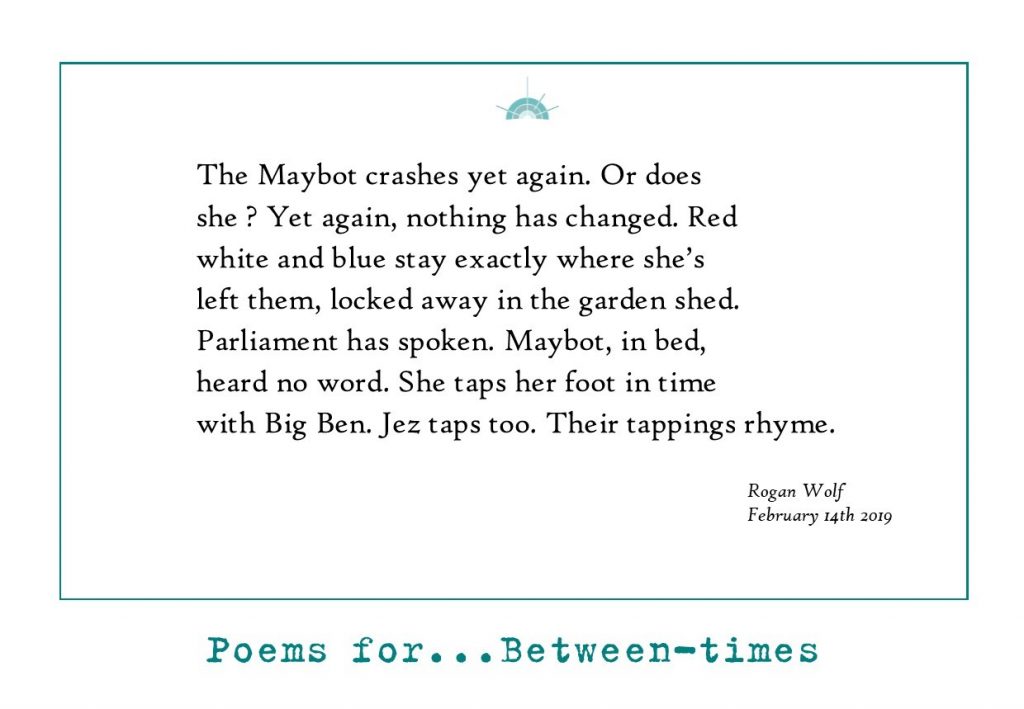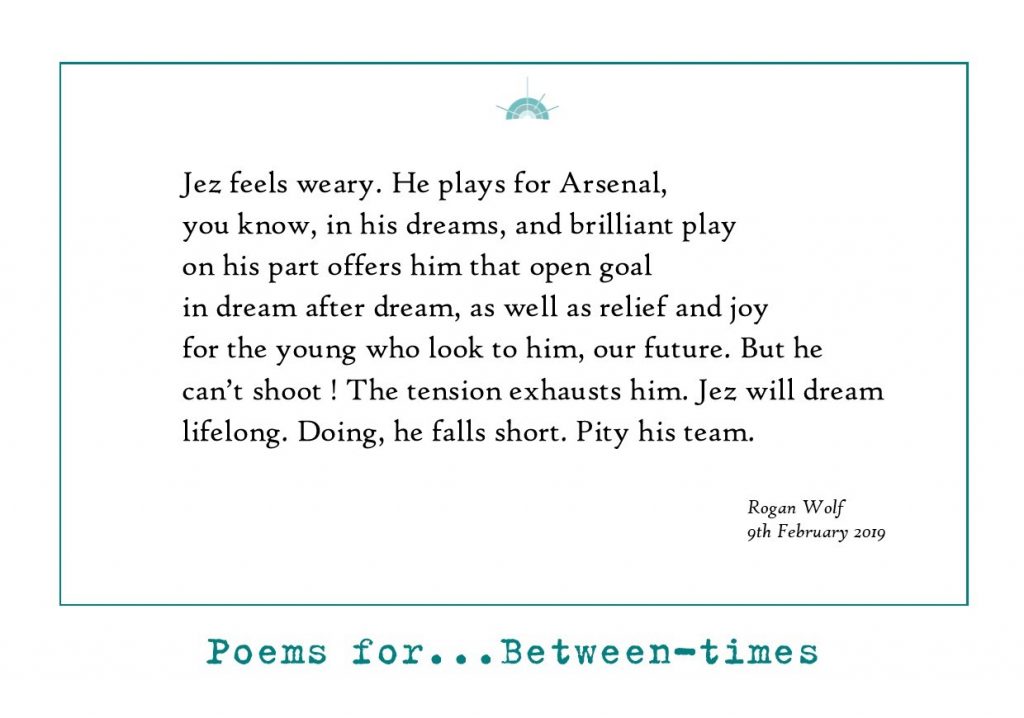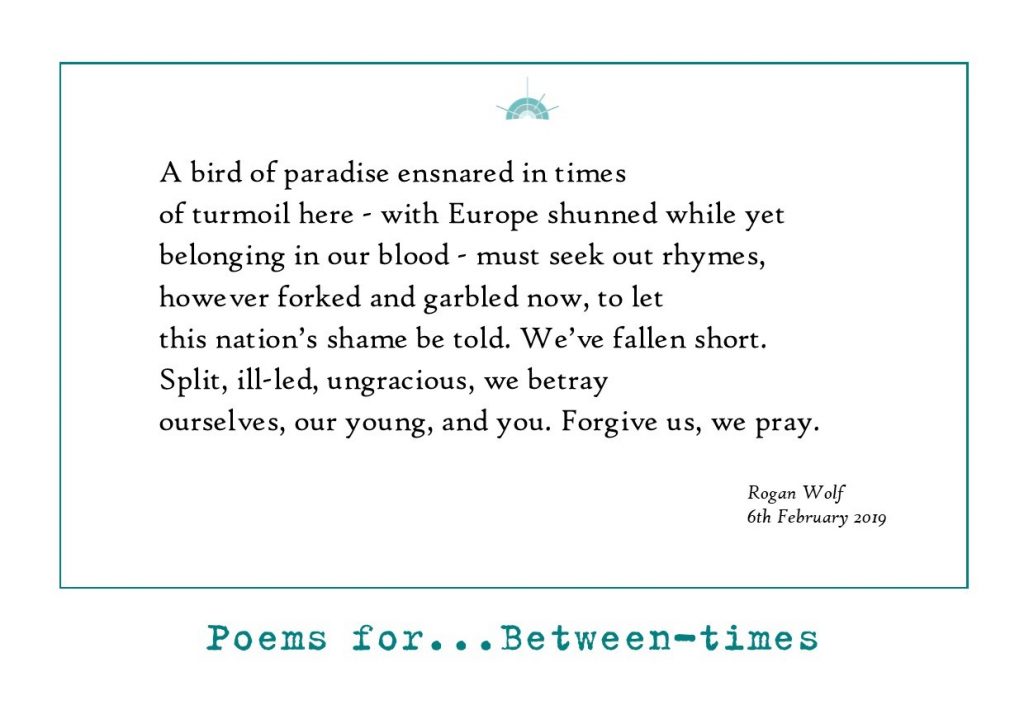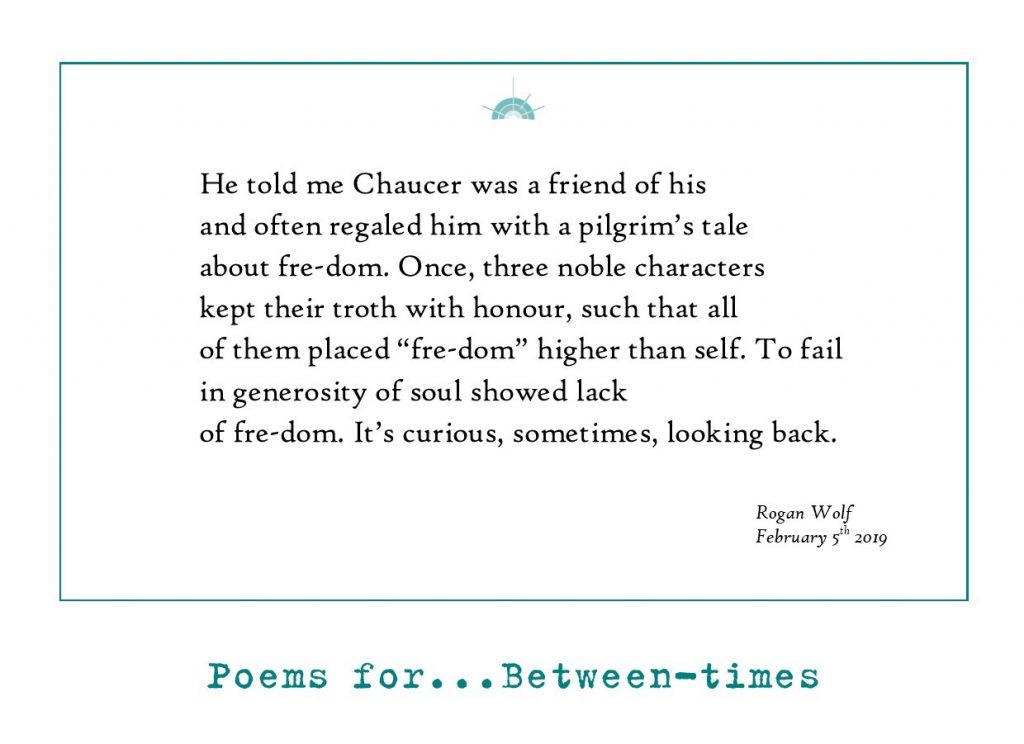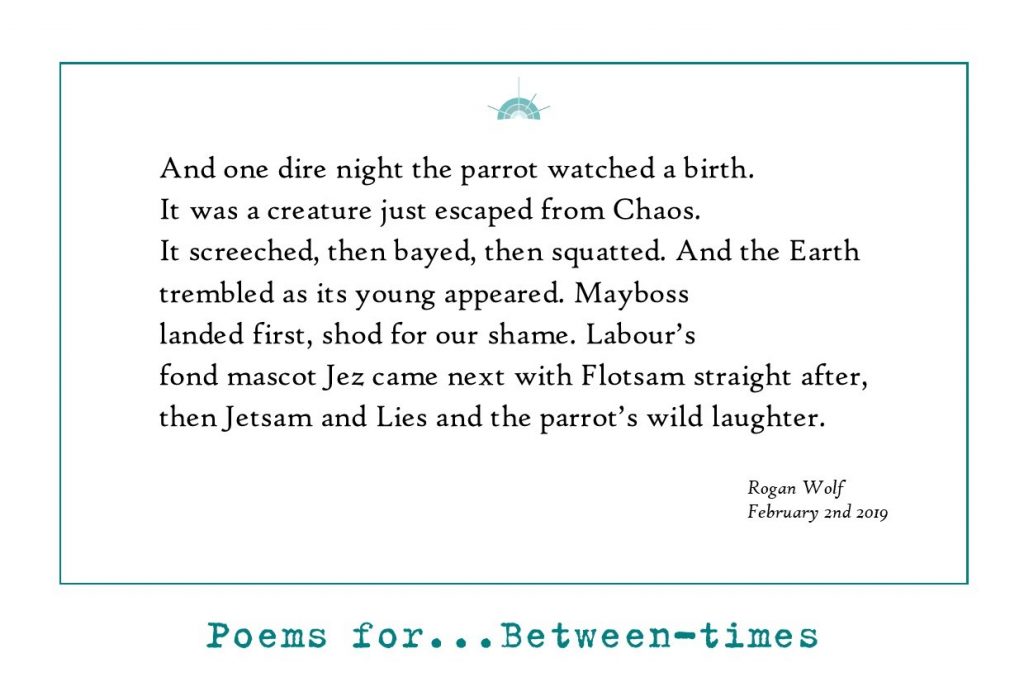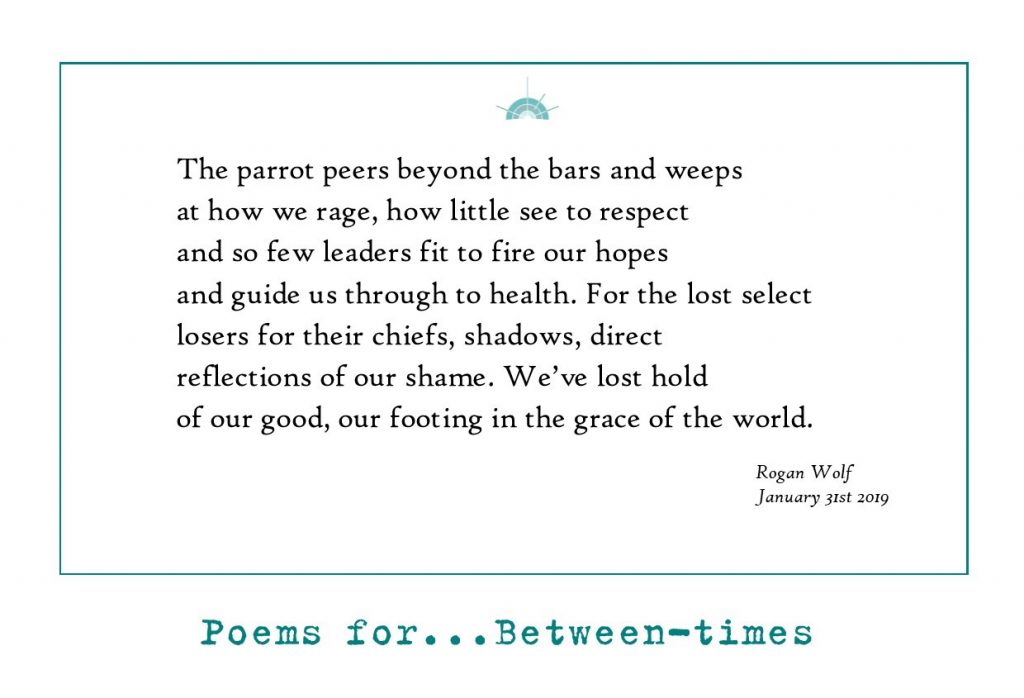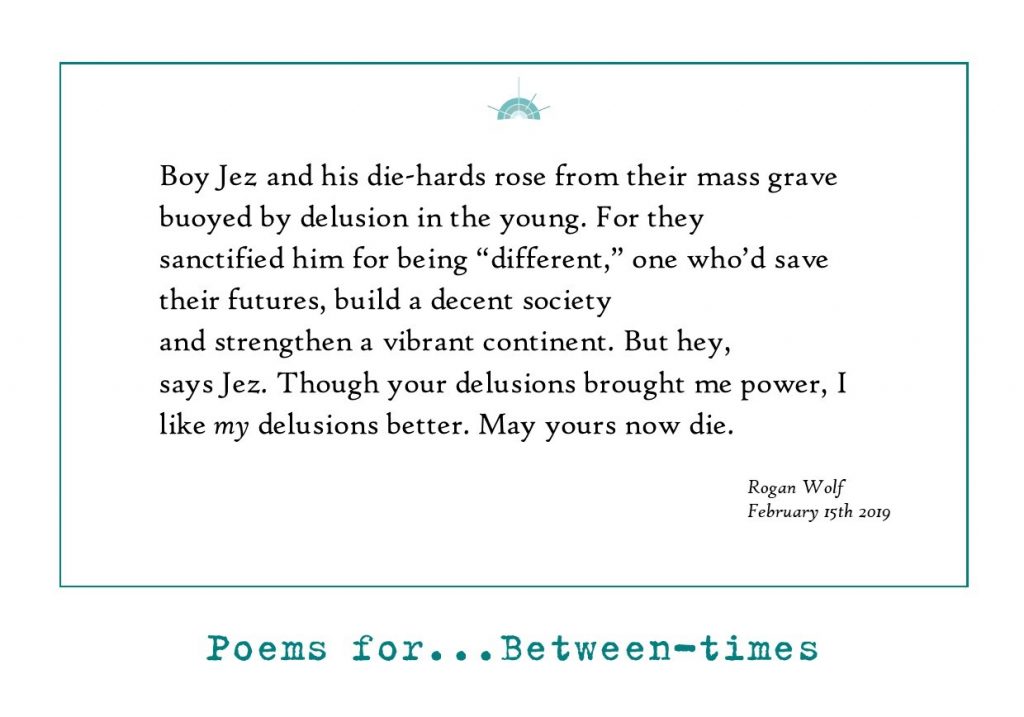
In the fourteenth century, Geoffrey Chaucer introduced Rhyme Royal to English poetry and all these stanzas of mine about Brexit share that long established rhyme scheme. And Chaucer wrote The Canterbury Tales and one of those is “The Franklin’s Tale” which I love. And that’s where this medieval word “fre” keeps appearing, later to become “freedom.” But in The Franklin’s Tale, the word means something very different from modern usage. Does that imply corruption just of language, or corruption of spirit ?
This stanza was written late on the night of January 30th, when the Commons debated a series of amendments, at least one of which might have resulted in Parliament wresting control of the Brexit process from May’s Tory government. That result failed to materialise.
Instead, the Tories enjoyed some rare moments of apparent unity. They came together around a puerile fantasy that, out of the blue, the EU would agree to make a change that the EU has said all along and repeatedly that it would not. But that’s all right. Their own unity comes first and delusion is acceptable so long as it brings the family together, if only for a few hours. And Yvette Cooper’s sensible and adult amendment that would have prevented No Deal was voted down – due partly to a fear among some of her own party’s MP’s that by thus disturbing the suicidal delusions of their constituents, they might lose their seats.
Quote from “Speak, Parrot” by John Skelton : “Parrot is my own dear heart and my dear darling.”
The balloons are a Bristol image, since hot-air balloons often appear above the city. I ought to say, though, that whatever fills the Bristol balloons does not appear to be foul.
Did the young see Jez aright ? Or, in their disillusion with the status quo, were they projecting all their hope onto a blank screen, seeing Jez wrongly as somehow an answer, seeing colour on the screen, which is actually not there ? For Jez is not very colourful.
And perhaps he needs that status quo which has so betrayed the young. He can sit around the table being the rebel, the maverick, the awkward squad. He can say, “On a point of order, Chair…” It feels good, to make the Chair wriggle a bit. He’s done it all his life. He sits at the table and watches those who act, and again and again he says, “On a point of order, Chair…”
He knows what yearning there is among his young supporters for a second referendum, a “final say”. Their future lives are at stake. He owes his present heady position to these same young people. They put their faith in him. Will he raise the torch for them ? Or if he won’t, will he explain to them the reasons for his failure to do so, now that it is becoming clear that it was never his intention ?